

USD/JPY: Uncertainty around BOJ and Fed policy
Week in review
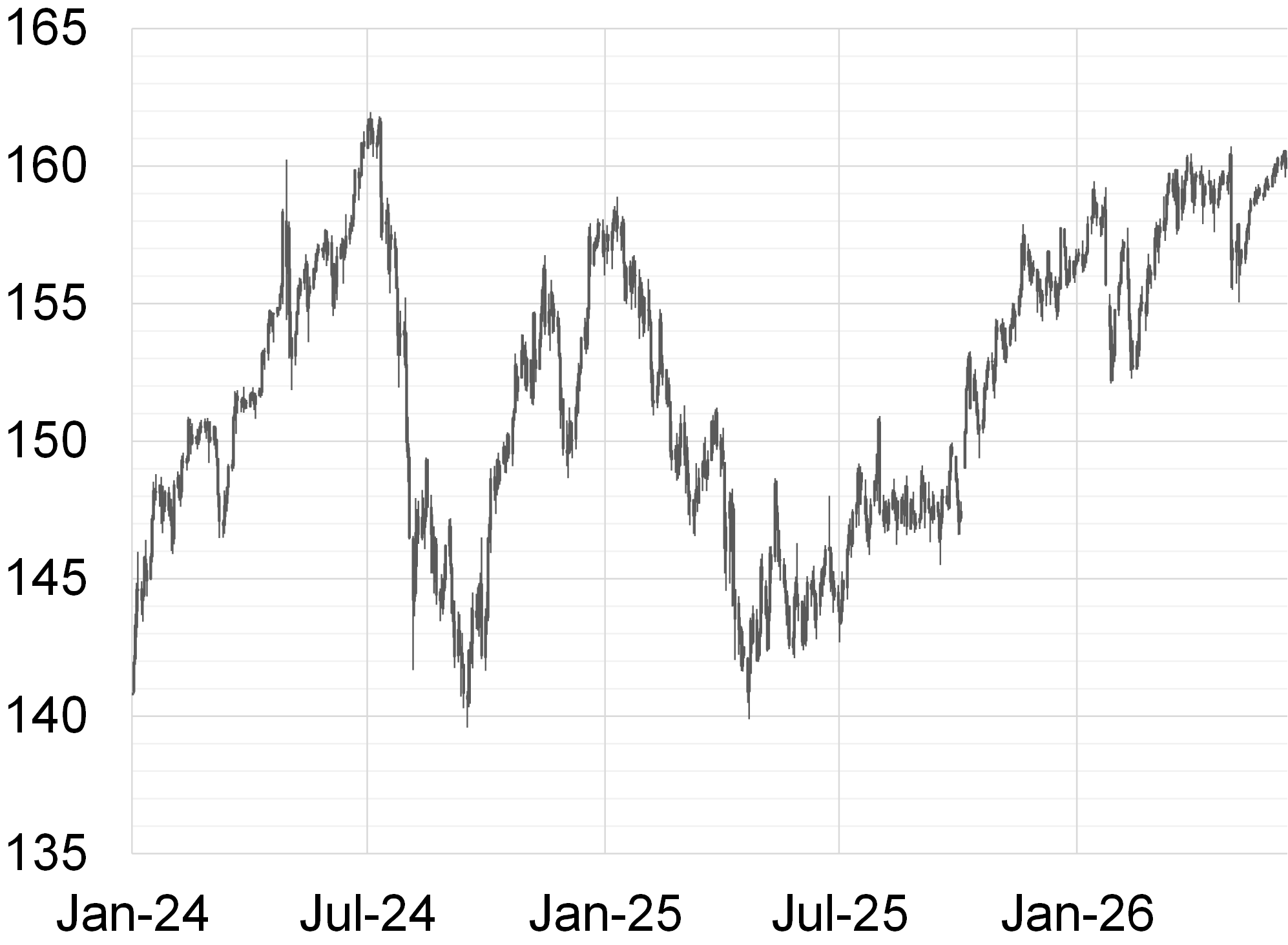
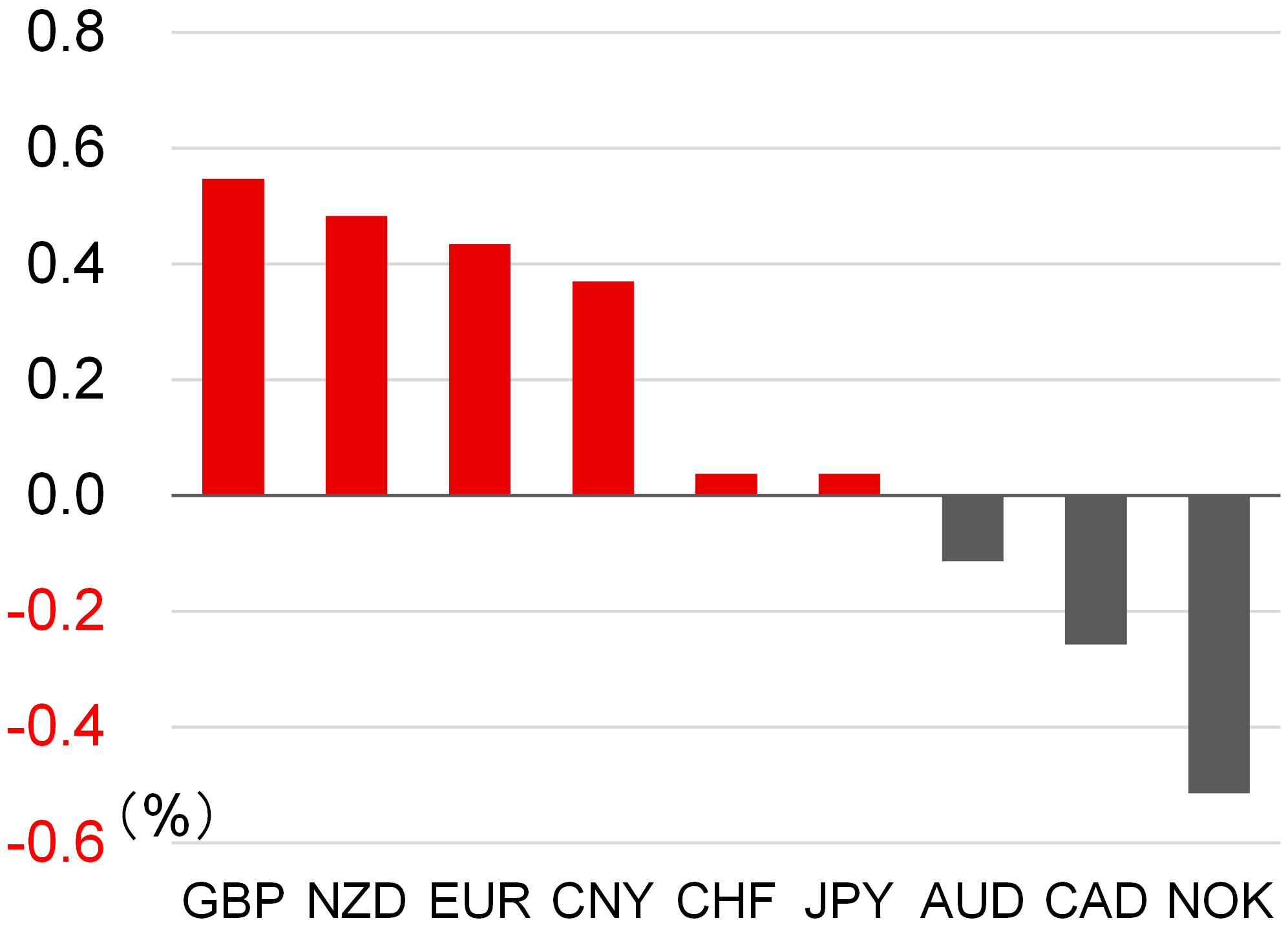
The USD/JPY opened the week at 160.33 after the strong US employment report released at the end of last week drove the dollar higher and pushed the pair to its highest level since late April. With topside resistance emerging at those levels, the pair temporarily fell to the upper 159 range. It then gradually rose again, particularly during US trading hours, as Middle East developments and other factors drove dollar buying. The pair climbed to a high of 160.59 on 11 June. The dollar then weakened across the board after President Donald Trump said he had halted a planned attack because a ceasefire agreement with Iran was near, and the USD/JPY plunged to this week's low so far of 159.59. The pair rebounded to around 160 as dollar-weakness faded after Iran said it had not approved an agreement. Trump again said early in Tokyo trading on 12 June that the war with Iran is over, but the market reaction was limited, and the pair was trading below 160.50 at the time of writing (Figure 1). The dollar weakened against G10 currencies this week as expectations for an easing of Middle East tensions rose. Commodity currencies also weakened as crude oil prices fell. The ECB raised rates on 11 June, but the move had been priced in and the euro showed no notable reaction (Figure 2).
FIGURE 1: USD/JPY
Note: As at 13:00 JST on 12 June
Source: EBS, Refinitiv, MUFG
FIGURE 2: MAJOR CURRENCIES' RATE OF CHANGE VS USD THIS WEEK
Note: As at 13:00 JST on 12 June
Source: Bloomberg, MUFG