

USD/JPY: Damage control after the "honebuto shock"
Week in review
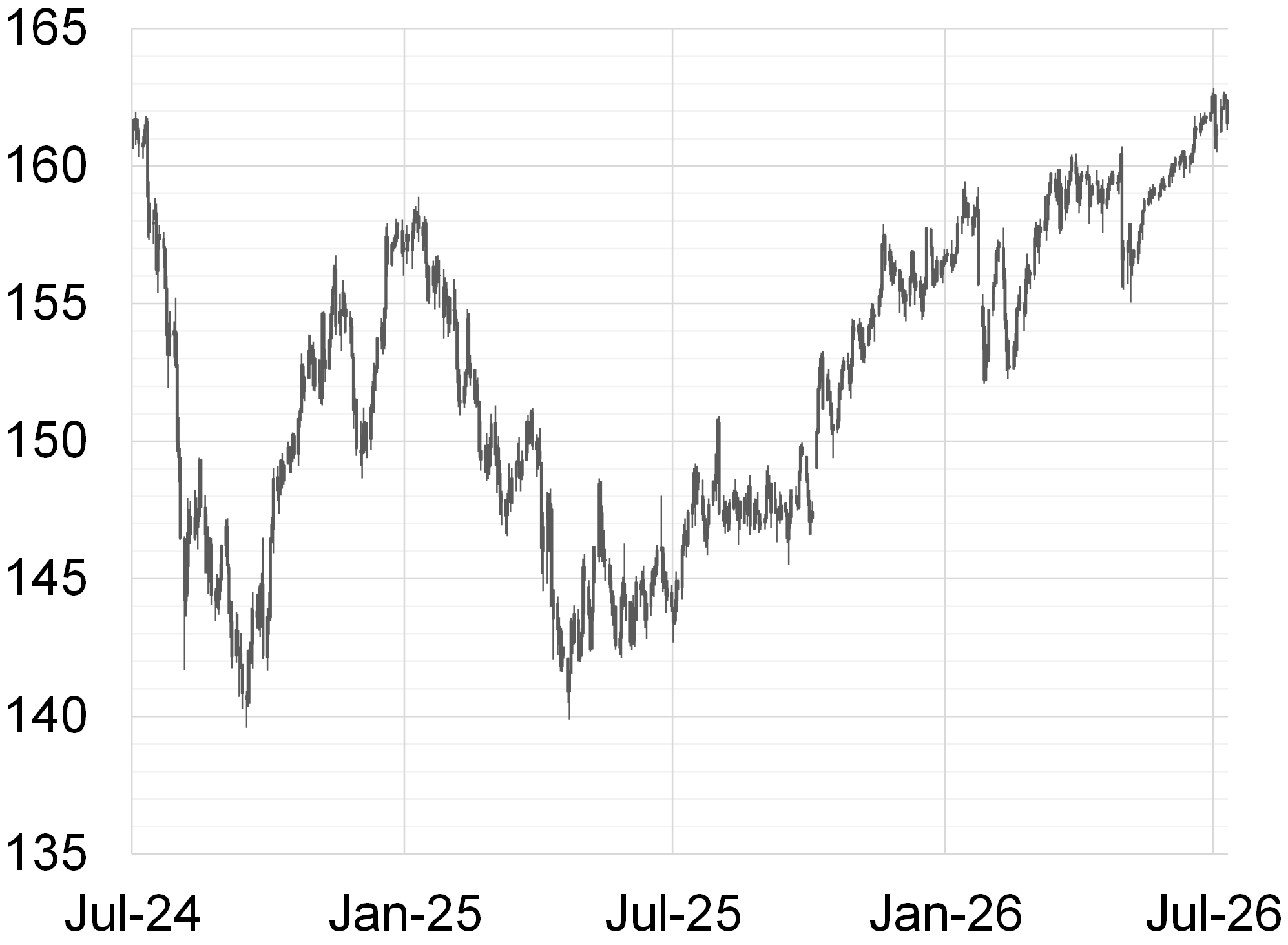
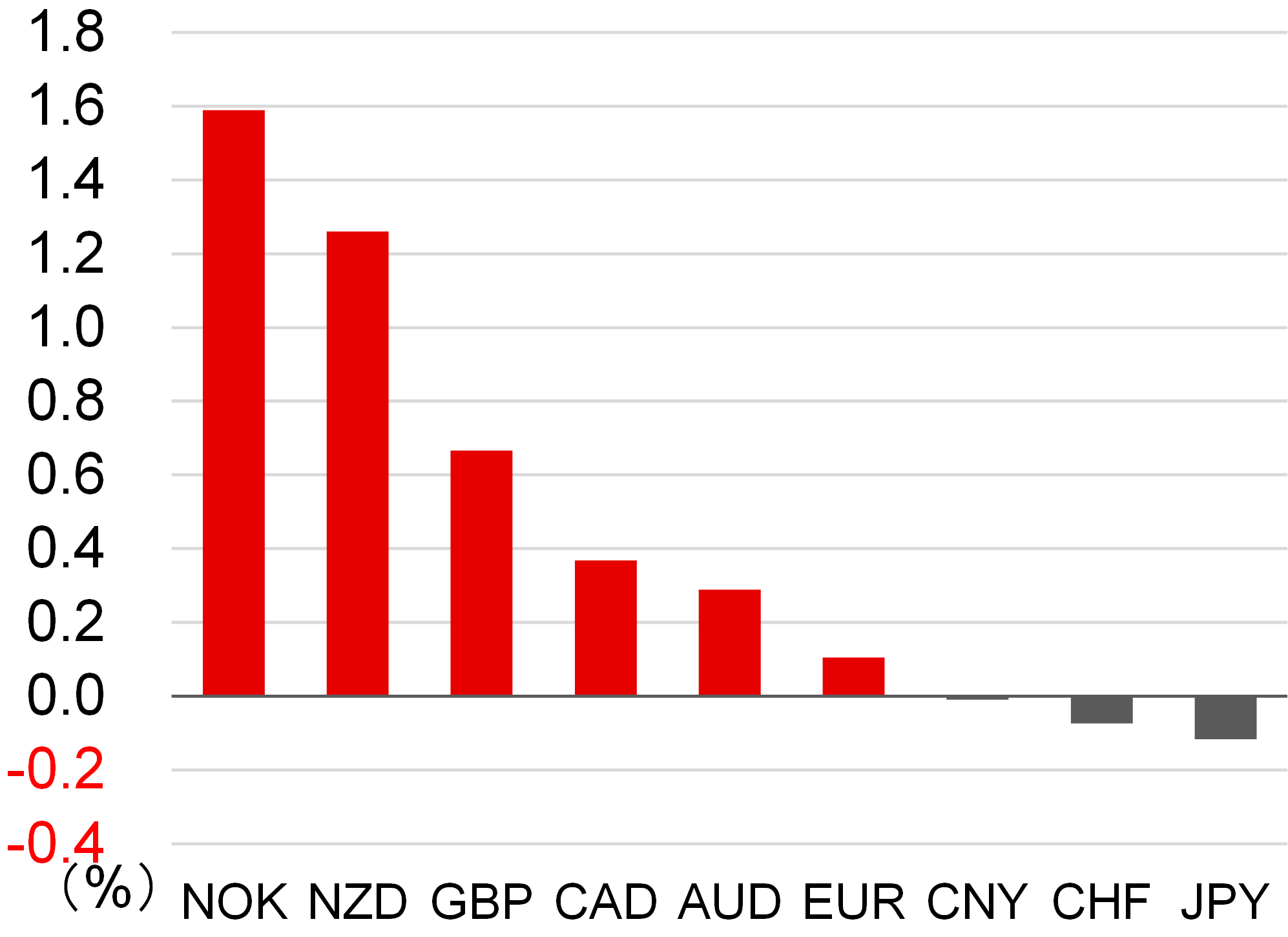
The USD/JPY opened the week at 161.48, near this week's low. The pair quickly recovered to the 162 range from early on Monday 6 July as Japanese long-term yields rose and the yen was sold amid a dollar-buying tone. Yen buying emerged and the pair temporarily fell below 162 during Tokyo trading on 7 July after Minister of State for Economic and Fiscal Policy Minoru Kiuchi said it was a "misunderstanding" to interpret the monetary-policy language in the draft Basic Policy on Economic and Fiscal Management and Reform as a warning to the BOJ against proceeding with rate hikes. The pair rose back into the 162 range during US trading hours the same day as reports of further exchanges of attacks between the US and Iran supported the dollar. On 8 July, President Trump declared that the ceasefire with Iran "is over." Crude oil futures rose sharply and the dollar strengthened, pushing the USD/JPY up to 162.71, close to its recent high. However, Trump was negative on a broader expansion of the fighting, and the rise in crude oil prices and the dollar did not last. The pair gradually became heavier on the topside. At the time of writing on 10 July, Finance Minister Satsuki Katayama's comment that the government would encourage pension funds, including the GPIF, to invest in Japanese financial assets was viewed as yen-positive, and the pair had fallen to around 161.50 (Figure 1). Middle East developments drove dollar strength this week, but the market ultimately reverted to dollar weakness. Oil-producer currencies also benefited from the rebound in crude oil futures (Figure 2).
FIGURE 1: USD/JPY
Note: As at 13:00 JST on 10 July
Source: EBS, Refinitiv, MUFG
FIGURE 2: MAJOR CURRENCIES' RATE OF CHANGE VS USD THIS WEEK
Note: As at 13:00 JST on 10 July
Source: Bloomberg, MUFG