

Ahead Today
G3: US ISM Manufacturing New Order
Asia: Asia PMIs, Indonesia Trade and CPI
Market Highlights
Risk sentiment picked up with the S&P500 rising 0.7% overnight, as better than expected earnings came in while JOLTS job openings were not as bad as feared. In particular, jobs openings rose 7.6mn, similar to the previous month but above consensus expectations of 7.3mn. This was however tempered by weaker than expected consumer confidence numbers, but overall the combination of these were enough to steady the Dollar coupled with some inching upwards of US Treasury yields.
The focus in global markets continues to be on the Japanese Yen, with USD/JPY climbing higher towards the 162.60 levels given concerns around the direction of fiscal expansion and continued low real interest rates. There are also questions in the market around how the government will view further Bank of Japan rate hikes, and as such how much latitude BOJ will have in raising rates to curb inflation. On this front, what was interesting was also new Bank of Japan Board Member Ayano Sato’s inaugural speech yesterday. She is the second board member to be appointed by PM Takaichi following Toichiro Asada, replacing centrist Junko Nakagawa, and her speech yesterday was seen as more neutral rather than pushing a reflationist stance. She urged vigilance on the impact of a weak Yen on inflation, even as she said it’s hard to determine if recent price increases are driven by temporary or demand related factors.
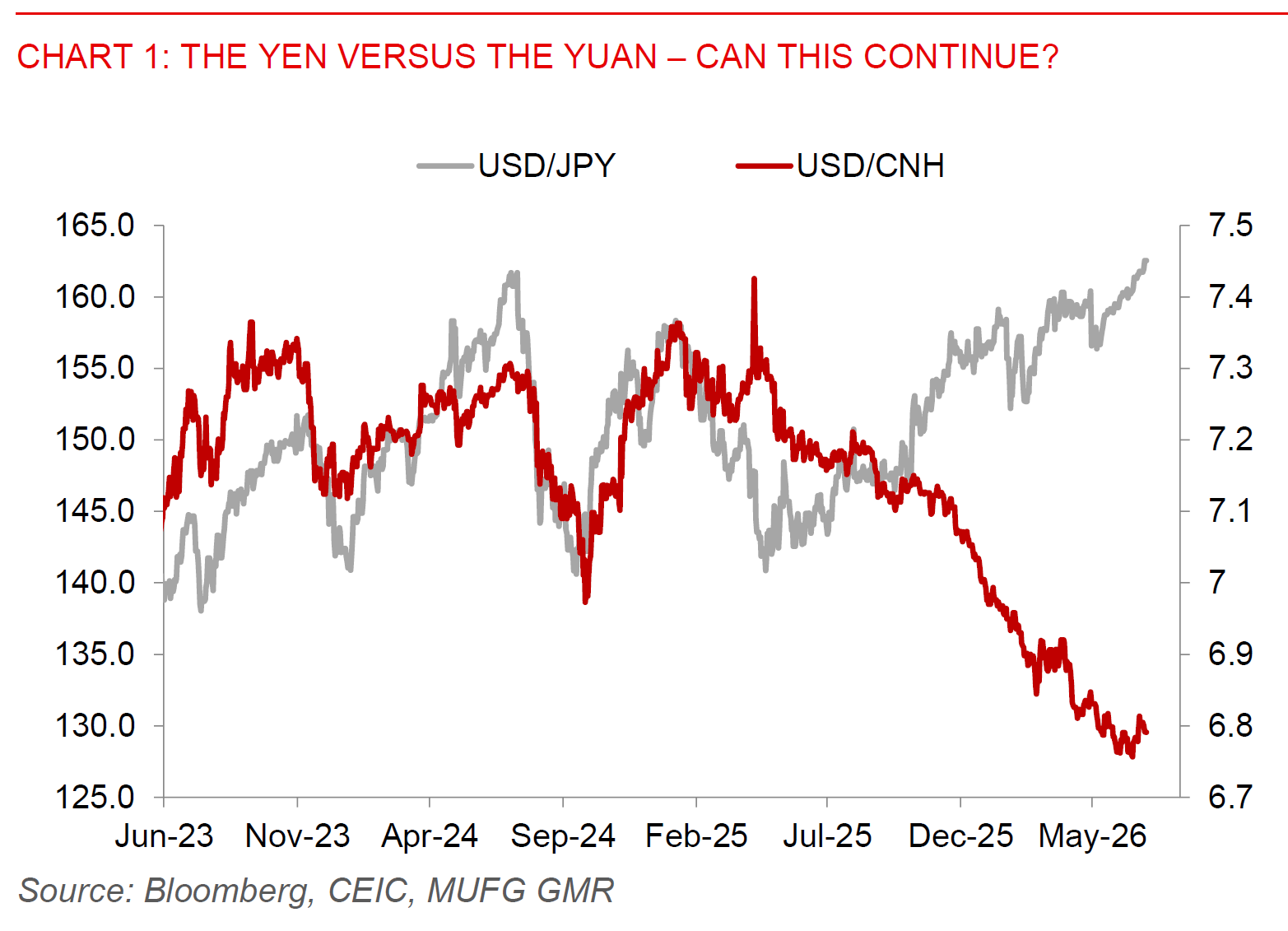
In Asia, China’s manufacturing and non-manufacturing PMI numbers came in somewhat stronger than expected, and this helped to allay some initial concerns around imminent easing. This was especially as the PBOC’s recent overnight reverse repo operations were reported to have included a coupon below market expectations at 1.25% (versus most analysts thinking of 1.3%-1.4%). Overall, we don’t think that the operational target of monetary policy in China will change immediately to the overnight rate, with the 7-day reverse repo rate still the key metric to watch for to determine the monetary policy stance.
On the external front in Asia, Thailand and the Philippines reported trade deficit numbers which were larger than expected. In particular, the current account deficit in Thailand was larger than expected at US$6.4bn (vs consensus of US$3.5bn), driven by a wider services deficit. In the Philippines the trade deficit came in at US$5.5bn from an upwardly revised US$6.4bn the previous month. In both countries we expect trade deficits to narrow moving forward reflecting the moves already seen in oil prices but what’s specific to Thailand is also signs of somewhat slower tourism growth and as such questions about the support to the Thai baht moving forward.