

Ahead Today
G3: US University of Michigan Sentiment
Asia: India CPI
Market Highlights
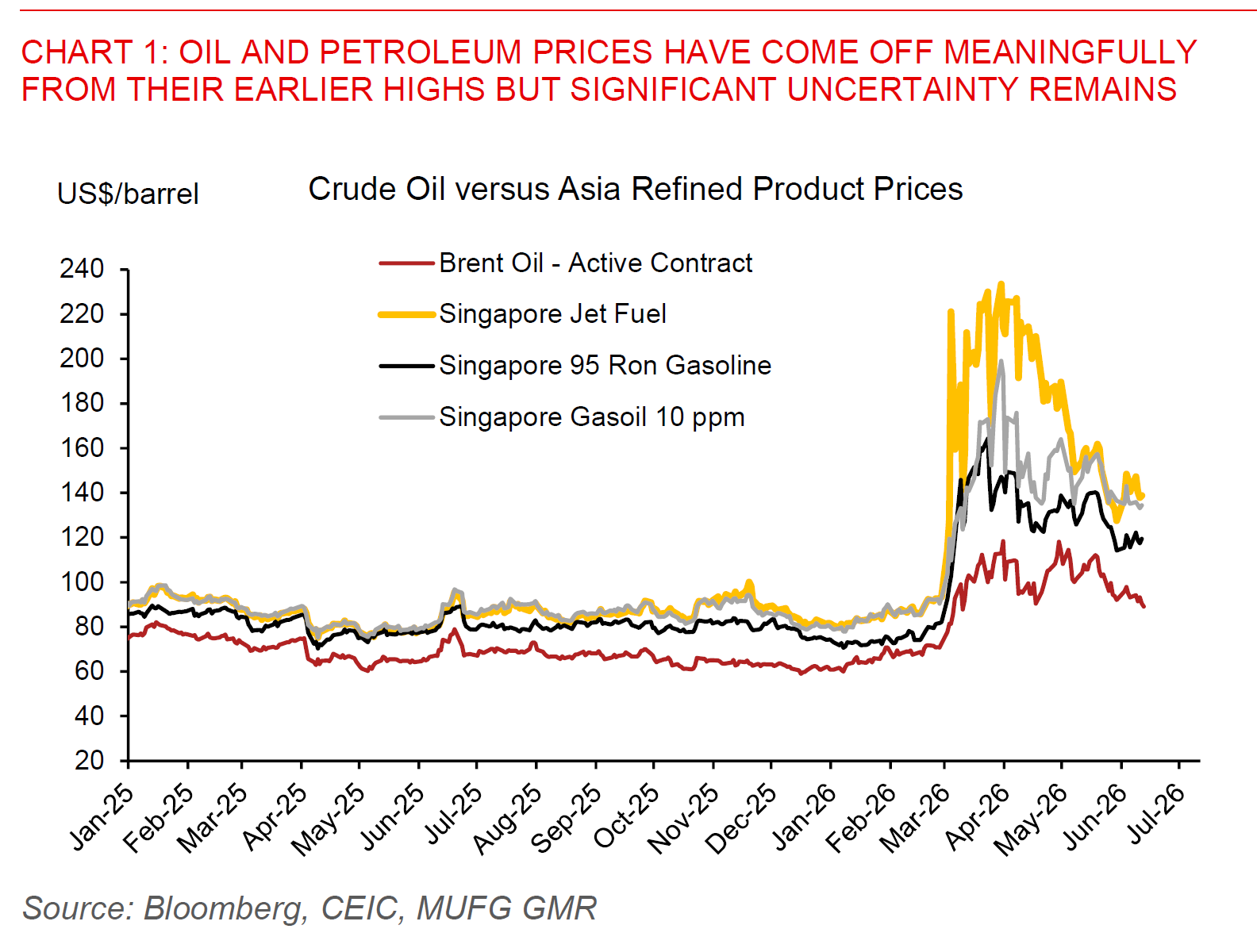
Oil prices eased, US 10-year yields fell to 4.46% while the Dollar weakened, as hopes of an Iran deal picked up. In particular, President Trump pulled back from threatened military strikes against Iran, just hours after he vowed to hit Iran very hard and said that the US will seize Iran’s oil infrastructure. Trump told reporters as well that a signing could take place as soon as this weekend and that Vice President JD Vance would attend if it materializes. At the time of writing, there isn’t any official confirmation from the Iranian side on the deal although there are unverified news reports. President Trump also mentioned that the pact was not finalized and he described it as ‘a very strong memorandum of understanding that is a little conceptual’, which among other things would include commitments by Iran to not pursue a nuclear weapon and would restart shipping in the Strait of Hormuz.
Meanwhile, US PPI came in stronger than expected at 1.1% (vs 0.7% consensus). The factors that feed into the Fed’s preferred core PCE inflation measure are likely to show this coming in at slightly under 0.4% mom, but the good news is that quite a bit of that rise is due to some potentially temporary factors such as portfolio management feeds and air transportation. By itself, it doesn’t yet resolve the Fed’s dilemma on rates.
In the Asia complex, the Straits Times reported that Indonesia is scaling back its plans to centralise exports of strategic commodities after buyers and exporters raised concerns, although it’s important to stress that this has not been officially confirmed. Instead, authorities will impose tighter monitoring on exports of key commodities to prevent exporters from understating shipment values and evading taxes, according to the news. If this news is right, this would mark a retreat from an earlier far more reaching plan that would have channeled overseas sales of commodities such as coal, palm oil and ferroalloys through a state-linked entity. While this is much needed relief, the broader issue around domestic policy uncertainty and questions around fiscal sustainability and contingent liabilities remain, even as Bank Indonesia’s recent move to hike rates in an off-cycle meeting and to introduce measures to shore up the currency seems to have stabilised USD/ID somewhat. On this front Indonesian sovereign wealth fund Danantara managed to raise US$1.5 billion through a successful debut dollar bond sale despite the weak sentiment, with the five-year bond priced at a yield of 5.35%, tighter than initial pricing expectations and in line generally with how the sovereign is trading.