

Ahead Today
G3: FOMC meeting, US retail sales, eurozone CPI
Asia: -
Market Highlights
Brent prices have fallen below $80/bbl as geopolitical risks fade following an interim agreement between the US and Iran to reopen the Strait of Hormuz. The road ahead could still be bumpy, with the US and Iran setting a 60-day window for further negotiations on Iran’s nuclear programme. Nonetheless, markets take comfort in the fact that diplomacy has gained traction.
But it’s not just oil prices. Now that oil prices have come down, there is only a modest decline in US rate expectations. Fed funds futures have not repriced dovishly for now. The upcoming FOMC meeting will be critical, not for policy change - we expect the Fed to remain on hold - but for forward guidance. In particular, markets will closely watch new Fed Chair Kevin Warsh’s communication, which will be crucial in shaping USD direction and, by extension, the outlook for Asian currencies.
In Japan, the BOJ delivered a 25bp hike to 1.00%, signalling continued policy normalization, with a subtly more hawkish tilt driven by rising inflation risks. While growth remains resilient and broadly in line with expectations, the Board highlighted stronger cost pass-through and rising inflation expectations, even flagging the risk of falling behind the curve. Nonetheless, elevated US front-end yields continue to support the dollar, containing the downside in USDJPY.
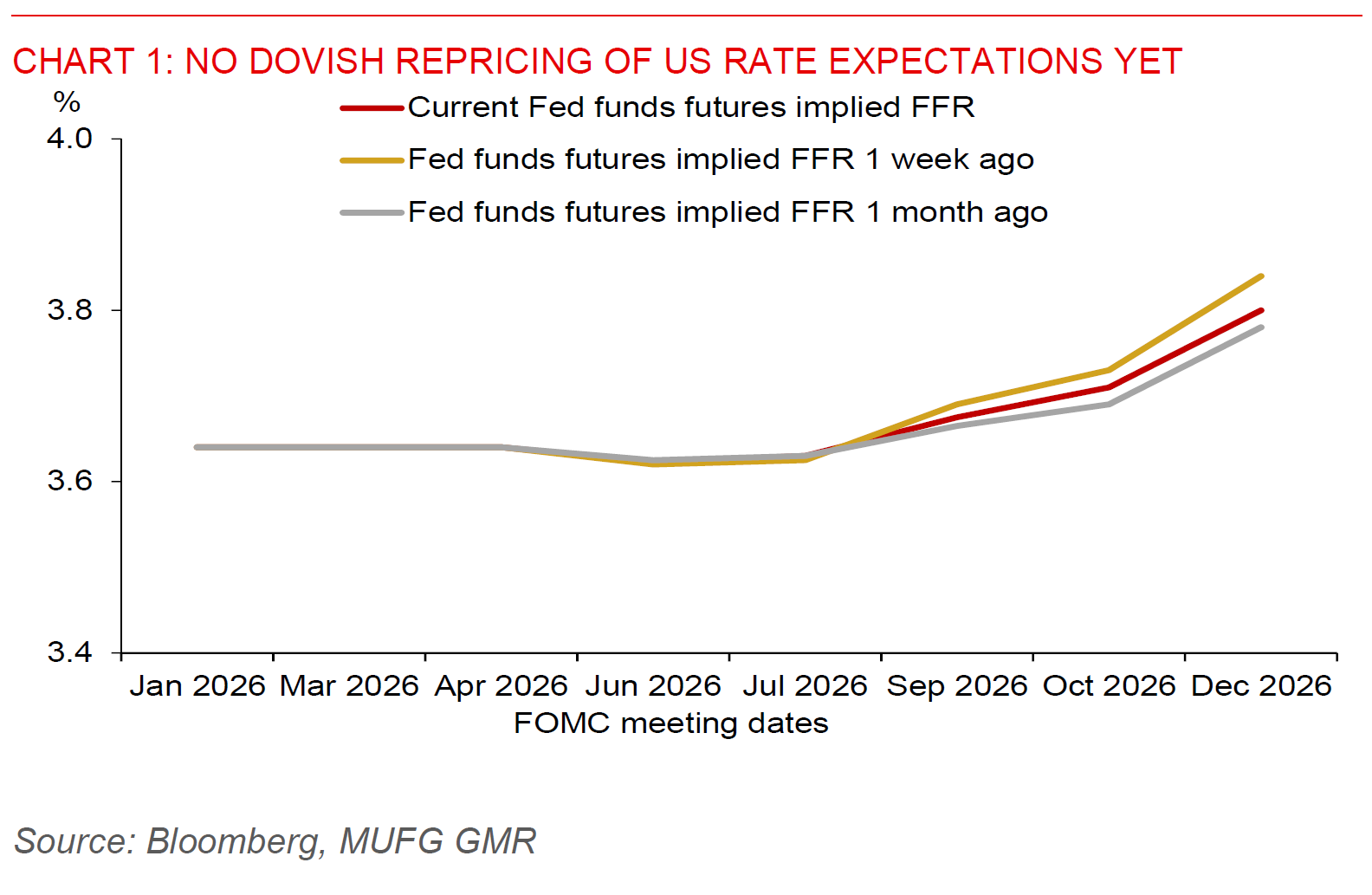
For Asia FX, the decline in oil prices is a meaningful shift. Lower oil prices should reduce pressure on trade balances and many regional currencies, particular for net oil importers such a Thailand, Philippines, and India. While downside pressure on Asia FX will continue to ease as oil prices decline, a sustained recovery will likely require a dovish shift in market expectations of US rates outlook.
A silver lining to the oil shock is that manufacturing activity in the region and exports have been holding up quite well. That’s important, because as energy costs fall, this resilience can now translate into stronger margins, improved export competitiveness, and better growth momentum going forward.