
Ahead Today
G3: US ISM Manufacturing
Asia: Indonesia trade, Indonesia CPI, HSBC India PMI
Market Highlights
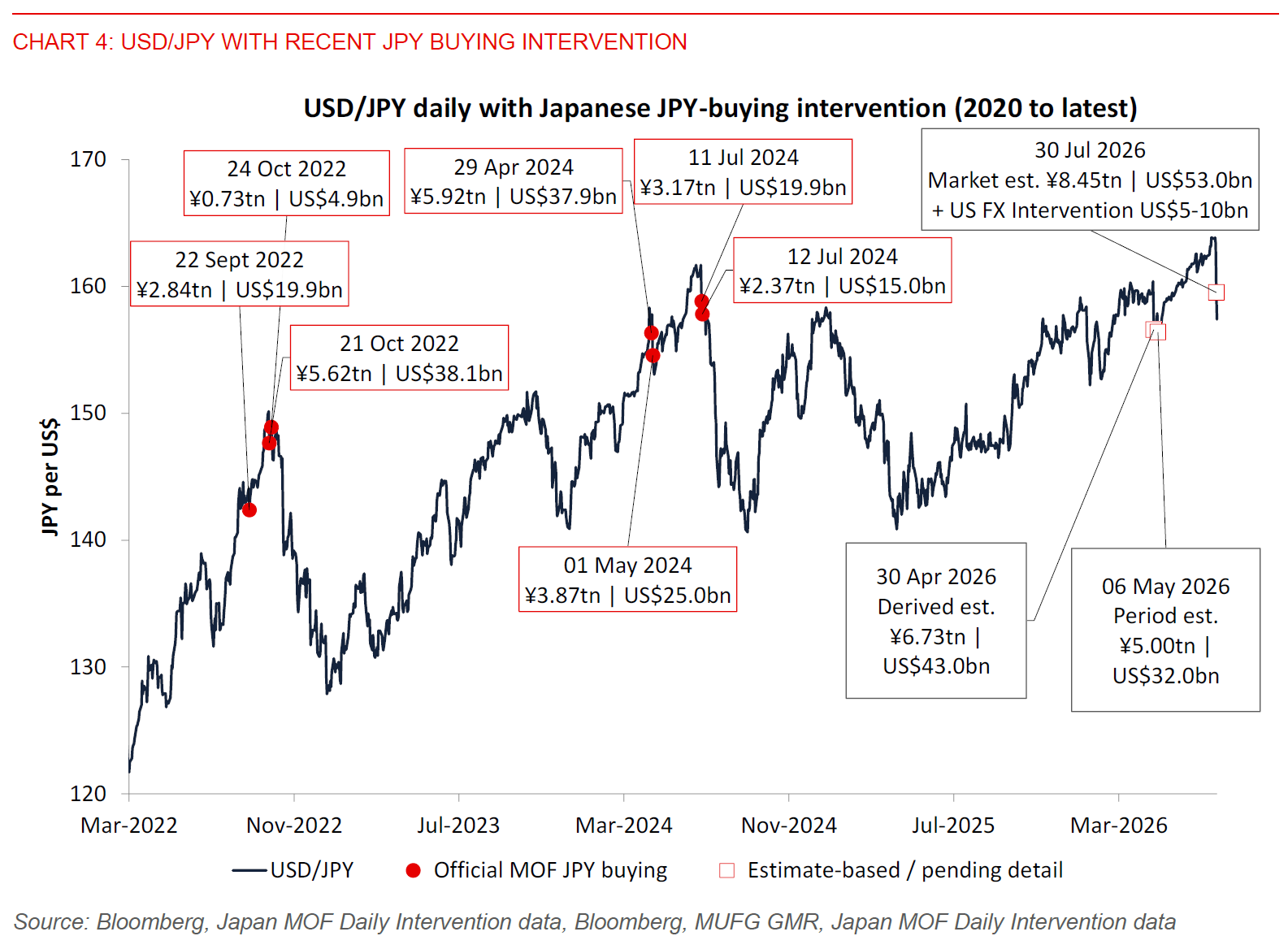
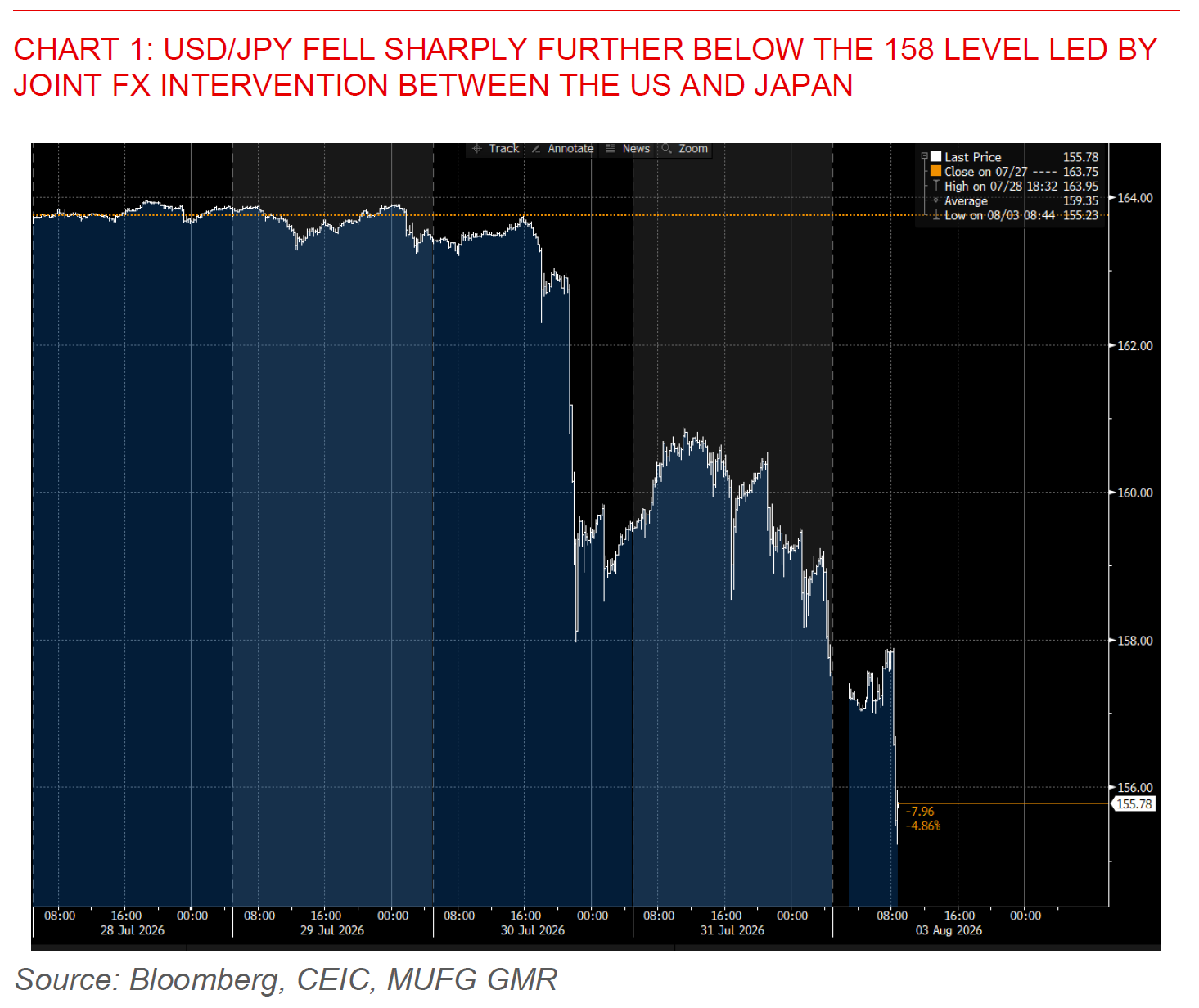
The Japanese Yen strengthened further below the 158 level heading into the weekend, with the media including the FT and Bloomberg reporting that the US Treasury intervened to strengthen the Japanese Yen on Friday by selling Euros to buy Yen. This also comes on the back of suspected FX intervention by Japan’s Ministry of Finance earlier last week, with USD/JPY having moved sharply lower from its previous highs of around the 164 levels.
In Asia morning time, Japan’s Finance Minister Satsuki Katayama released a statement confirming that both Japan and the US Treasury intervened on Friday, and that they will not hesitate to conduct further joint intervention if necessary in close coordination with the US. US Treasury Secretary also said that the US stepped in to help fight “disorderly” movements in the Yen, and that the US supports Japan’s “decisive market and monetary steps to correct substantial undervaluation of the yen.”
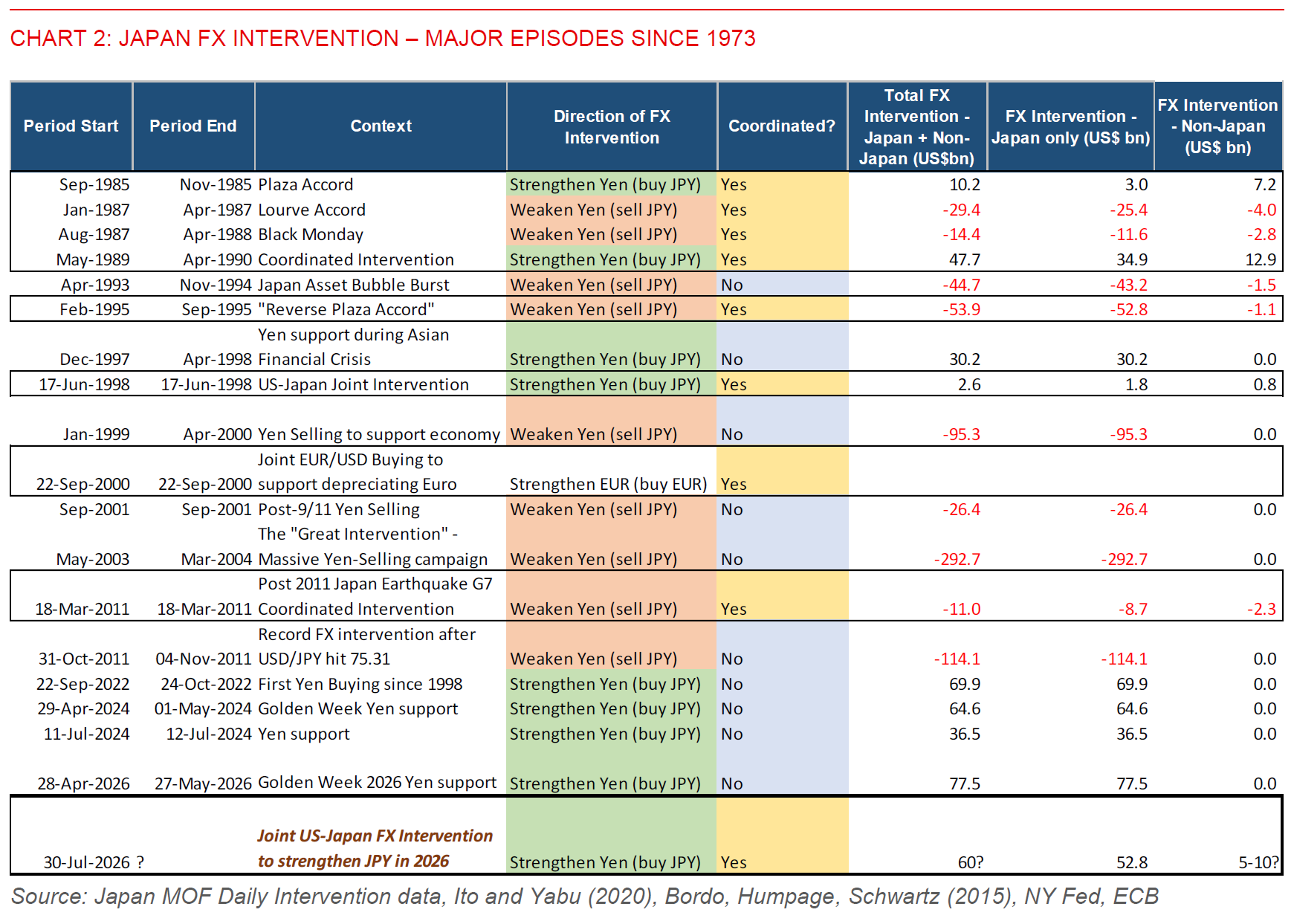
This is the first joint Yen buying FX intervention between the US and Japan since 1998 – or close to 30 years – and the first since the 2011 Tohoku earthquake in which the US, Japan and other G7 countries intervened in JPY FX markets.
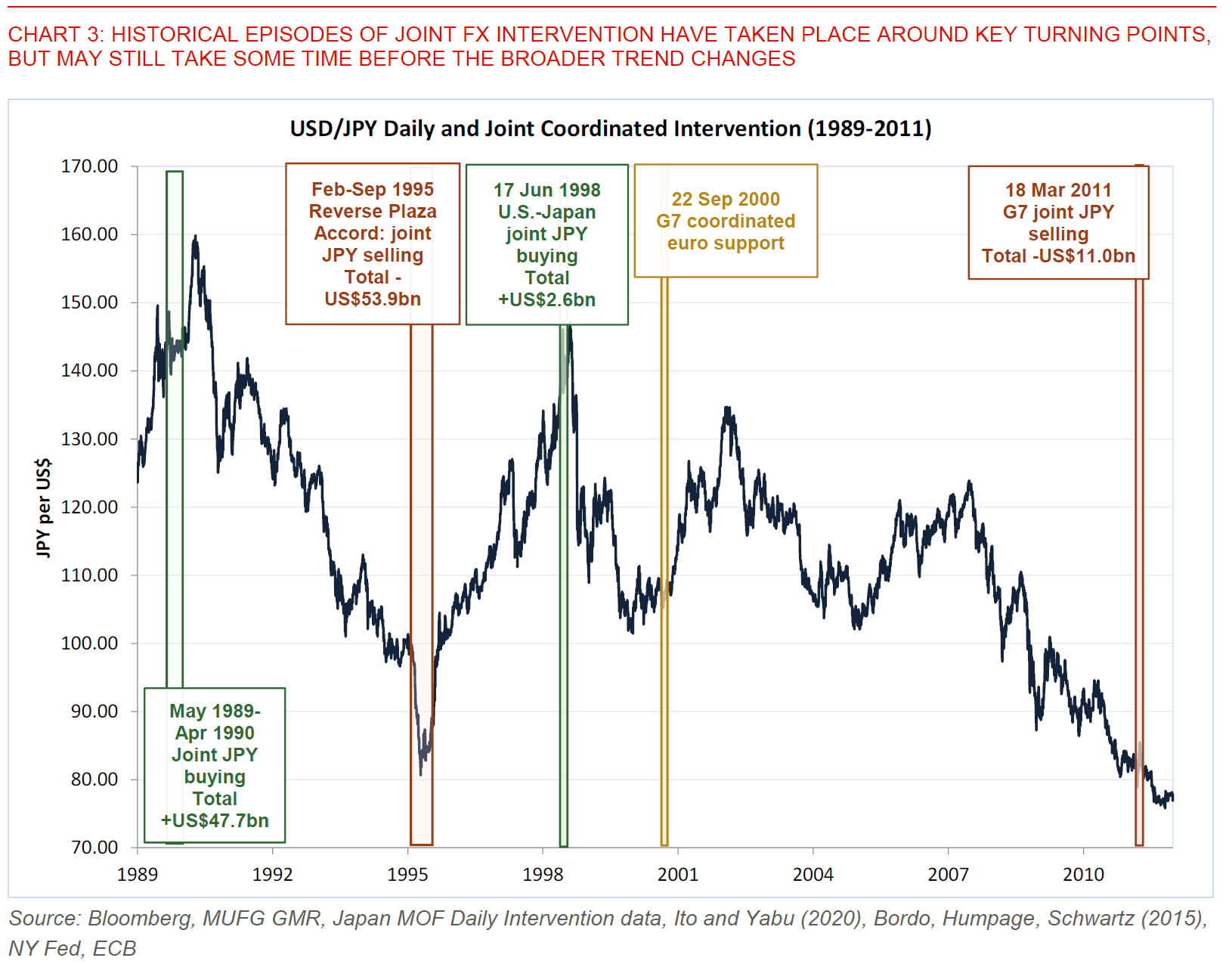
Historical episodes of joint JPY intervention show that these events have typically taken place around key turning points in USD/JPY, but this is not always the case and tends to take some time before the broader trend changes. For instance, in June 1998, USD/JPY fell sharply from 146 to 136 within a few days, helped by joint FX intervention, but it took at least two more months after that and shifts in the underlying dynamics of the Asian Financial Crisis before USD/JPY’s longer-term trend broke. In another episode during the joint intervention from February 1995, USD/JPY fell sharply from 100 all the way down to 80, before eventually rising up to 100 to break its trend lower.
Overall, while we think that the joint intervention is certainly historic and significant, and could certainly play an important role in the short-term in clearing out Yen shorts, the fundamentals likely still need to change for a more durable move lower in USD/JPY. This includes still low real interest rates, and concerns by the market around the fiscal spending trajectory of government. On this front, our global team is forecasting the Bank of Japan to deliver faster rate hikes than are priced in by markets, and is one important factor driving our forecast for USD/JPY to move lower over time.